


Introduction
A torn meniscus is one of the most common knee injuries , and it can bring pain and make daily movement difficult. Understanding how to treat a torn meniscus is key to recovering quickly and fully. In this article, we break down the latest scientific research and offer practical advice for anyone facing this injury. You’ll learn what a meniscus tear is, how it’s diagnosed, and the most effective treatments—whether you’re healing at home or working with a healthcare provider. Our goal is to give you clear, trustworthy information, so you can take charge of your recovery with confidence.
What Is a Torn Meniscus? Current Insights
The meniscus is a C-shaped piece of cartilage in your knee that acts as a shock absorber, cushioning the bones and helping to stabilize the joint. Tears often occur from a sudden twist of the knee or develop gradually over years of wear and tear.
Research shows that factors like age, the type and location of the tear, and how long you’ve had symptoms can all influence how your knee recovers. For example, tears along the outer edge of the meniscus —where there’s a richer blood supply—often heal naturally. Tears closer to the center, where there’s less blood flow, may need more attention or specific interventions.
Doctors typically use MRI scans to get a detailed look at your injury and choose the best treatment path. Recent evidence indicates that most people can start with conservative treatments, such as physical therapy , and often don’t need surgery right away. Surgery is usually reserved for cases where symptoms don’t improve or if the knee locks or becomes unstable. In many cases, combining physical therapy with surgery when it's needed leads to better long-term outcomes.
Studies on tissue healing have also advanced our understanding. For example, researchers have found that the body produces lubricin—a natural lubricant protein—at the site of a tear, which helps protect the area and promotes healing. Additionally, studies show that certain types of tears, as seen on MRI, are more likely to be associated with joint changes like osteophyte (bone spur) formation and chondral lesions (cartilage damage), which may guide treatment and monitoring.
How to Treat a Torn Meniscus: Practical Advice
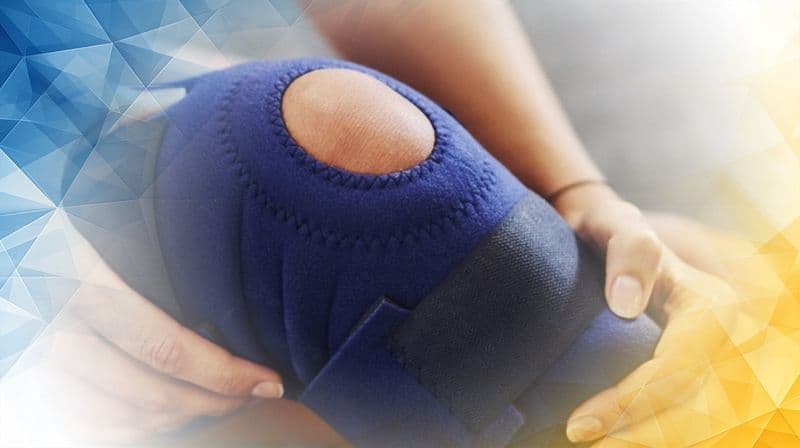
If you think you’ve torn your meniscus, your initial response can make a big difference in your recovery. Start with the RICE method—Rest, Ice, Compression, and Elevation. Rest your knee to prevent further injury, apply ice to reduce swelling , use a compression bandage for support, and keep your leg elevated when possible.
If your pain is severe, your knee is extremely swollen, or it feels unstable or locks up, see a healthcare professional promptly. Your doctor will examine your knee and may order an MRI to confirm the diagnosis.
Treatment plans are personalized. Many people see improvement through physical therapy , which can help rebuild strength and restore movement. Research shows that even if you eventually need surgery, trying physical therapy first doesn’t negatively affect your outcome in the long run. Surgery may be recommended if the tear doesn’t heal or if symptoms are severe. Keeping track of your symptoms and progress allows your healthcare team to adjust your treatment for the best results.
Emerging research also reveals that your body's natural healing proteins—notably lubricin—are found in and around torn meniscal tissue , highlighting the important role of biological processes in recovery.
Recovering and Maintaining Knee Health
Healing from a torn meniscus takes time, and patience is essential. Monitor your pain, swelling, and mobility as you recover—this helps you and your healthcare provider decide when to safely increase activity or seek further care.
Protect your knee by managing pain effectively and avoiding activities that put excess strain on it. Looking forward, making certain lifestyle choices can decrease your risk of future knee injuries. Maintaining a healthy weight, choosing low-impact exercises (like swimming, cycling, or walking), and practicing good movement habits all help protect your long-term knee health.
Regular follow-ups with a physiotherapist or specialist will provide ongoing support and guidance as your needs change throughout recovery. Keeping up with your rehab program and being proactive about joint health gives you the best chance of regaining full function and avoiding complications.
Research has shown that degenerative changes—such as cartilage damage or bone spurs—are relatively common in people with meniscus tear s . For example, one study found that about one-third of affected adults showed bone spurs on imaging and about a quarter had cartilage damage confirmed by arthroscopy. These findings highlight the importance of ongoing assessment and comprehensive management for anyone with a meniscus injury .
Research on joint health also shows that lubricin is naturally present on healthy menisci and ligaments , but its production increases after injury to help protect and heal the joint.
Conclusion
The best way to treat a torn meniscus is to combine the latest scientific understanding with personalized, practical care. By learning about your injury and actively participating in your treatment, you can speed up healing and reduce the risk of future problems. With the right approach, you can regain your strength, move pain-free, and feel confident in your knee’s health again.
This guide is here to help you move confidently from injury to recovery with clear, expert-backed advice you can trust and put to use in your own life.
References
Ahn, J. H., Choi, S.-H., Lee, Y. S., Yoo, J. C., Chang, M. J., Bae, S., & Bae, Y. R. (2010). Symptomatic torn discoid lateral meniscus in adults. Knee Surgery, Sports Traumatology, Arthroscopy, 19(2), 158–164. https://doi.org/10.1007/s00167-010-1058-8
Hwang, Y. G., & Kwoh, C. K. (2014). The METEOR trial: No rush to repair a torn meniscus. Cleveland Clinic Journal of Medicine, 81(4), 226-232. https://doi.org/10.3949/ccjm.81a.13075
Zhang, D., Cheriyan, T., Martin, S. D., Gomoll, A. H., Schmid, T., & Spector, M. (2011). Lubricin distribution in the torn human anterior cruciate ligament and meniscus. Journal of Orthopaedic Research, 29(12), 1916-1922. https://doi.org/10.1002/jor.21473
Legal & Medical Disclaimer
This article is written by an independent contributor and reflects their own views and experience, not necessarily those of London Cartilage Clinic. It is provided for general information and education only and does not constitute medical advice, diagnosis, or treatment.
Always seek personalised advice from a qualified healthcare professional before making decisions about your health. London Cartilage Clinic accepts no responsibility for errors, omissions, third-party content, or any loss, damage, or injury arising from reliance on this material.
If you believe this article contains inaccurate or infringing content, please contact us at [email protected].
London Cartilage Clinic
Ready to explore your options?
Our consultant-led team specialises in cartilage repair, regeneration and replacement — tailored to your diagnosis and long-term goals.
Will the Arthrosamid work for me
PAAG-8+ Questionnaire
A bright, structured entry point for patients exploring Arthrosamid. The questionnaire helps frame suitability, expectations, and 24-month clinical benefit discussion before a fuller consultant-led review.
Designed for shared decision-making. It does not replace specialist consultation, examination, imaging review, or formal medical advice.